Bavaria's 8 Most Enchanting Towns You Can't Miss (International Edition)

Featuring timber-framed buildings, winding cobblestone streets, and stunning Gothic and Baroque palaces, the towns of Bavaria are both charmingly historic and visually captivating. Discover these eight enchanting locales for an extraordinary journey through southeastern Germany!
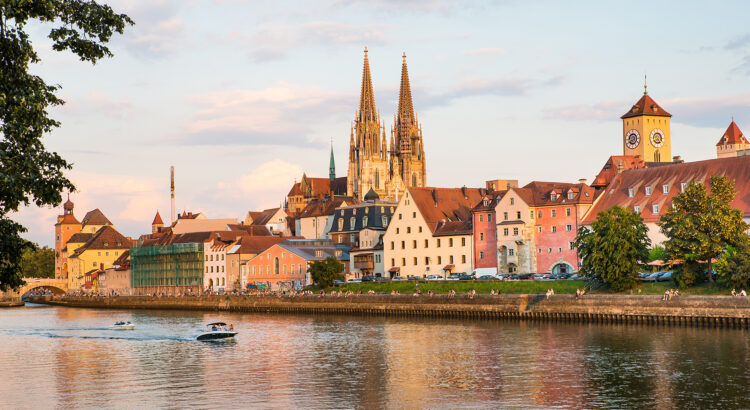
Regensburg, a medieval gem along the Danube
As a UNESCO World Heritage site, Regensburg stands as a medieval gem located along the Danube River. It boasts more than 1,500 historical structures, featuring an Old Town that seems frozen since the 12th century. th and 13 th For centuries, the city provides a captivating glimpse into Bavarian history. St. Peter's Cathedral remains a notable landmark. Regensburger Dom ), a Gothic masterpiece, the old stone bridge spanning the river, the towers of the patrician houses on every street corner… all of it creates an enchanting picture, as if frozen in time.
Augsburg, showcasing Renaissance-era architectural brilliance
Situated about sixty kilometers away from Munich, Augsburg stands as one of the oldest urban centers in Germany. Originally established by Roman settlers, contemporary Augsburg boasts an impressive array of Renaissance-era architecture. One notable example is found along Maximilianstraße, which hosts one of Bavaria’s finest Baroque complexes, largely shaped by the designs of its designated architect, Elias Holl.
In the neighborhood known as Jakob, visitors can explore what is considered the earliest social housing initiative globally: the Fuggerei, founded in 1521. This historic site consists of quaint gable-roofed homes spread across several lanes.
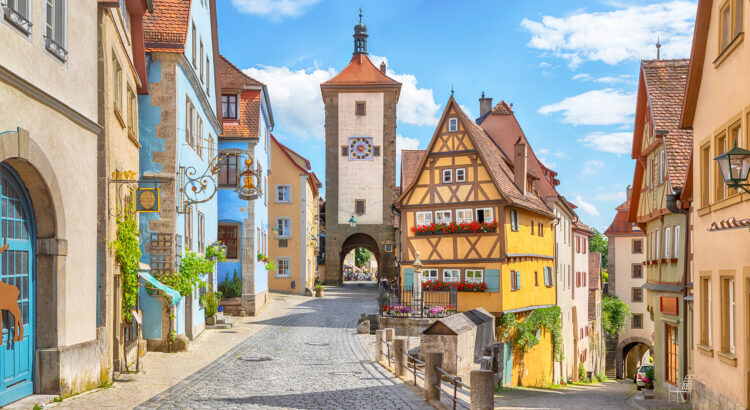
Rothenburg ob der Tauber, the archetypal medieval European town.
A key destination for tourists visiting Germany, Rothenburg ob der Tauber It epitomizes the classic medieval Bavarian experience. The town’s meticulously maintained fortifications, timber-framed structures, and narrow lanes draw countless tourists annually. Don’t miss out on exploring its bustling marketplace, majestic Gothic city hall, and early Renaissance fountains. Take a stroll into history!
Würzburg, blending Baroque and medieval elements
Along the Romantic Road, the quaint town of Würzburg blends Baroque sophistication with medieval allure. The presence of multiple Baroque churches underscores the town’s significance during the 17th century. th and 17 th Centuries have passed. The magnificent Würzburg Residence palace, designated as a UNESCO World Heritage Site, stands proudly. Perched atop the Marienberg fortress, another iconic landmark of the city, one can enjoy an exquisite vista of the Alte Mainbrücke bridge and the bell towers below.
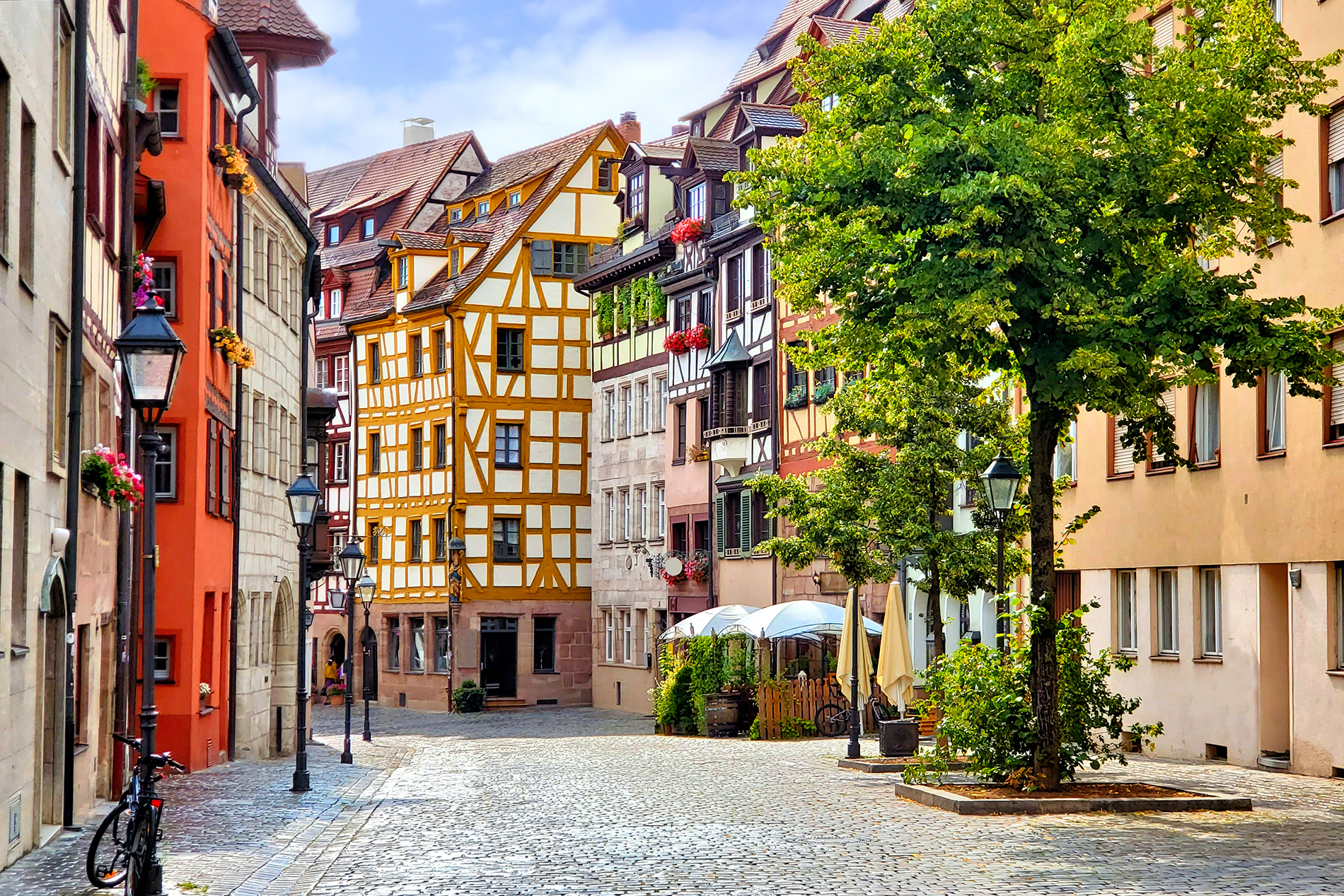
Nuremberg, an outdoor historical museum
Secure within massive fortifications in northern Bavaria, Nuremberg stands as a city steeped in history and culture. This place boasts an impressive heritage spanning centuries. th- The century-old Imperial Castle overlooks the city, providing a clear vista of its traditional red rooftops and timber-framed buildings. During the final stages of the Second World War, this castle served as a significant bombing target. Following Germany’s surrender, the city hosted one of the most renowned trials ever conducted. Post-war reconstruction was meticulous, resulting in the preservation of several intriguing museums, including the home of artist and printmaker Albrecht Dürer (1471–1528), and another notable gallery dedicated to historical artifacts. Germanisches Museum .
Bamberg, the city atop seven hills
As a UNESCO World Heritage Site, Bamberg frequently draws comparisons to Rome because of its seven hills and abundance of religious structures. Developing during the medieval period, it later evolved into a Baroque city in the 17th century. th and 18 th For centuries, this city has maintained nearly 2,300 historic landmarks! Situated atop one of the noted seven hills, the Upper Town remains the vibrant core of the city and stands out as one of the most stunning historical downtowns in the region. Its winding lanes are adorned with vintage boutiques, culminating in an imperial cathedral flanked by four spires.
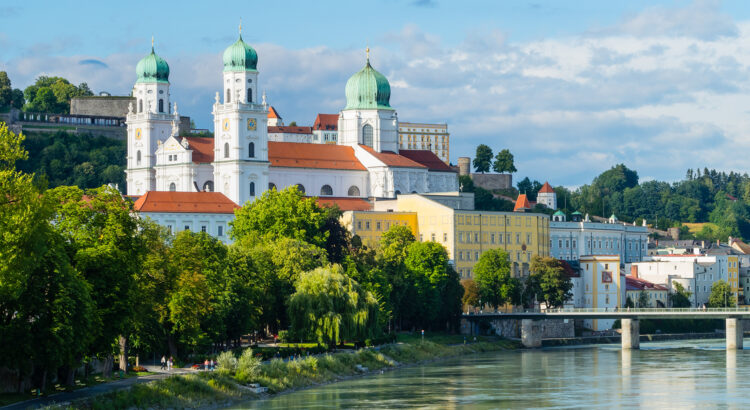
Passau, the city at the confluence of three rivers.
Situated on the frontier with Austria Located only 50 kilometers away from the Czech Republic, Passau sits at the meeting point of three rivers: the Danube, Inn, and Ilz. Its advantageous position has facilitated growth since medieval times. Perched above the city stands the Veste Oberhaus fortress, a robust stronghold constructed in Gothic, Renaissance, and Baroque architectural styles, serving as a significant symbol of the city’s affluent history. Meanwhile, the historical downtown area, which surrounds St. Stephen's Cathedral, ranks among the most impressive cultural landmarks in southern Bavaria.
Munich, the stunning capital of Bavaria
No visit to Bavaria feels complete without including a stop in its vibrant and captivating main city. Munich On both banks of the River Isar, the streets stand as proud witnesses to over eight hundred years of history and cultural heritage. The city boasts three remarkable art museums, the majestic residence of the influential House of Wittelsbach, a stunning Gothic church adorned with Renaissance domes, along with countless other treasures spanning from medieval times to modern days. This artistic hub not only captivates those who appreciate fine arts but also thrills revelers; whether they're enjoying local brews at traditional beer gardens or joining in the festive spirit of the renowned Oktoberfest, Munich celebrates wholeheartedly!