Is Community Pharmacy the Key to Solving Hong Kong's Healthcare Challenges?

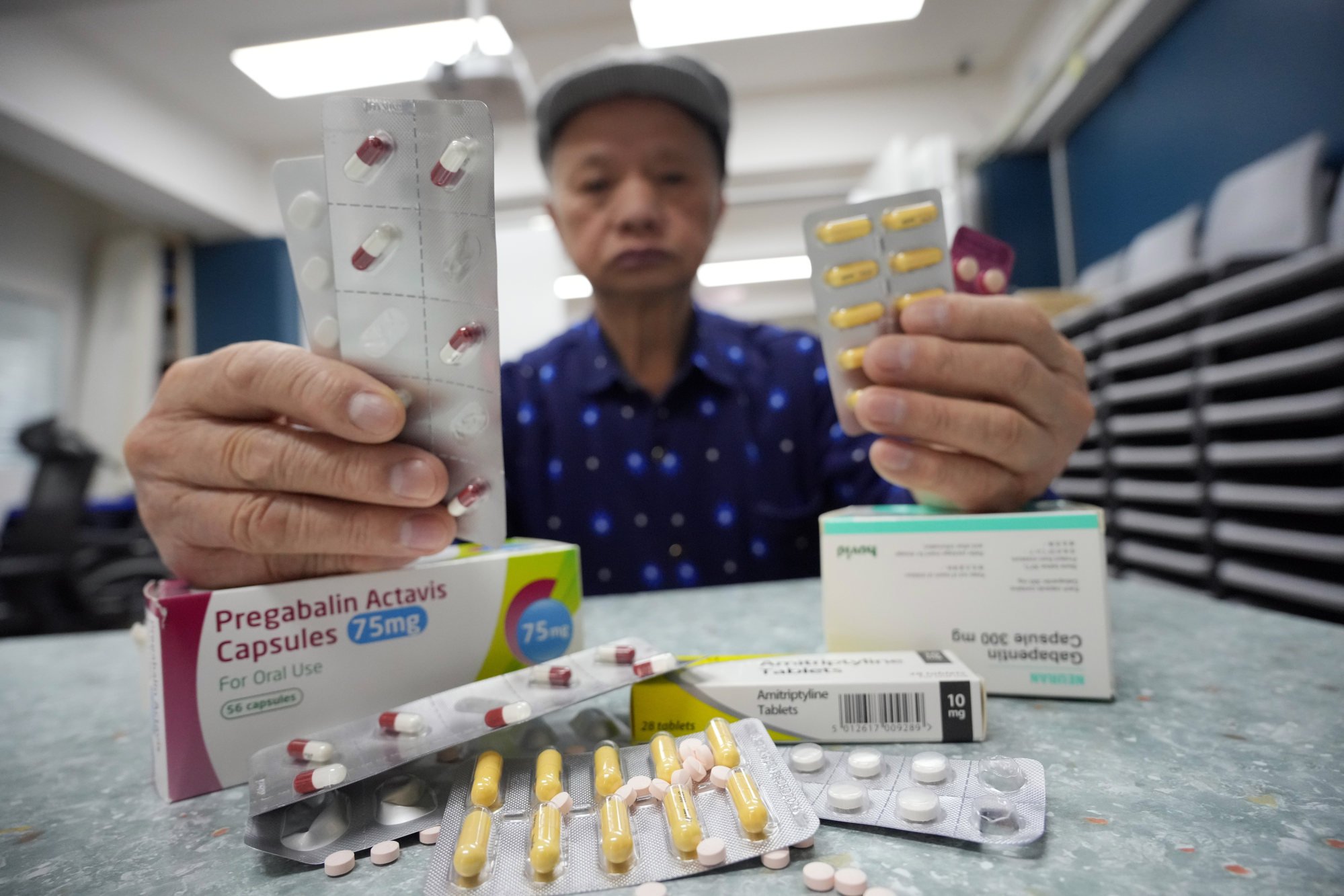
Each day, Hong Kong resident Yiu Po-tai, aged 81, follows a strict regimen where he must sift through a plastic bag filled with medication and swallow 16 distinct pills to cope with his ongoing health conditions.
"The previous construction worker, living solo in a partitioned apartment in Sham Shui Po, mentioned suffering from high blood pressure and having shingles two years prior, yet continues to experience persistent nerve pain," he stated.
A decade ago, I experienced a stroke, and subsequently, my facial muscles were paralyzed during two instances when I suffered from shingles.
Are you looking for insights into the most significant issues and developments globally? Find your answers here. SCMP Knowledge Our latest platform features handpicked content including explainers, FAQs, analyses, and infographics, all provided by our esteemed team of experts.
To address the neuropathic pain in his arms, Yiu sought medication not only from physicians in mainland China, known for quicker services, but also from a nearby pharmacy, along with the prescriptions he received in Hong Kong.
Yiu’s experience is not rare among local patients suffering from chronic conditions. Often, these individuals end up using multiple medications prescribed by several doctors, inadvertently consuming duplicate drugs or experiencing negative interactions. Thankfully, Yiu was fortunate when a social worker recognized his predicament and brought him to a community pharmacy. There, a pharmacist managed to reduce his medication regimen to just 13 pills.
At present, several community pharmacies are managed by non-government organizations, offering medication management consultations, prescription filling services, and directing patients towards additional health care resources. Approximately 190 such facilities function as pick-up locations for medications intended for residents and individuals residing in senior living homes who utilize public hospitals' services.
Next year’s fourth quarter will see the introduction of a community pharmacy program initiated by the government, ensuring that all 18 districts across Hong Kong receive a minimum of four to five outlets.
Specialists mentioned that neighborhood drugstores might be crucial in reshaping the urban health care framework by functioning as initial points of contact for individuals with minor ailments looking to consult professionals and get prescriptions. However, managers need to confirm that their premises and digital infrastructure meet required standards.
How can patients see improvements from this, and to what extent will community pharmacies assist Hong Kong’s persistently overburdened public healthcare network?
Hard to swallow
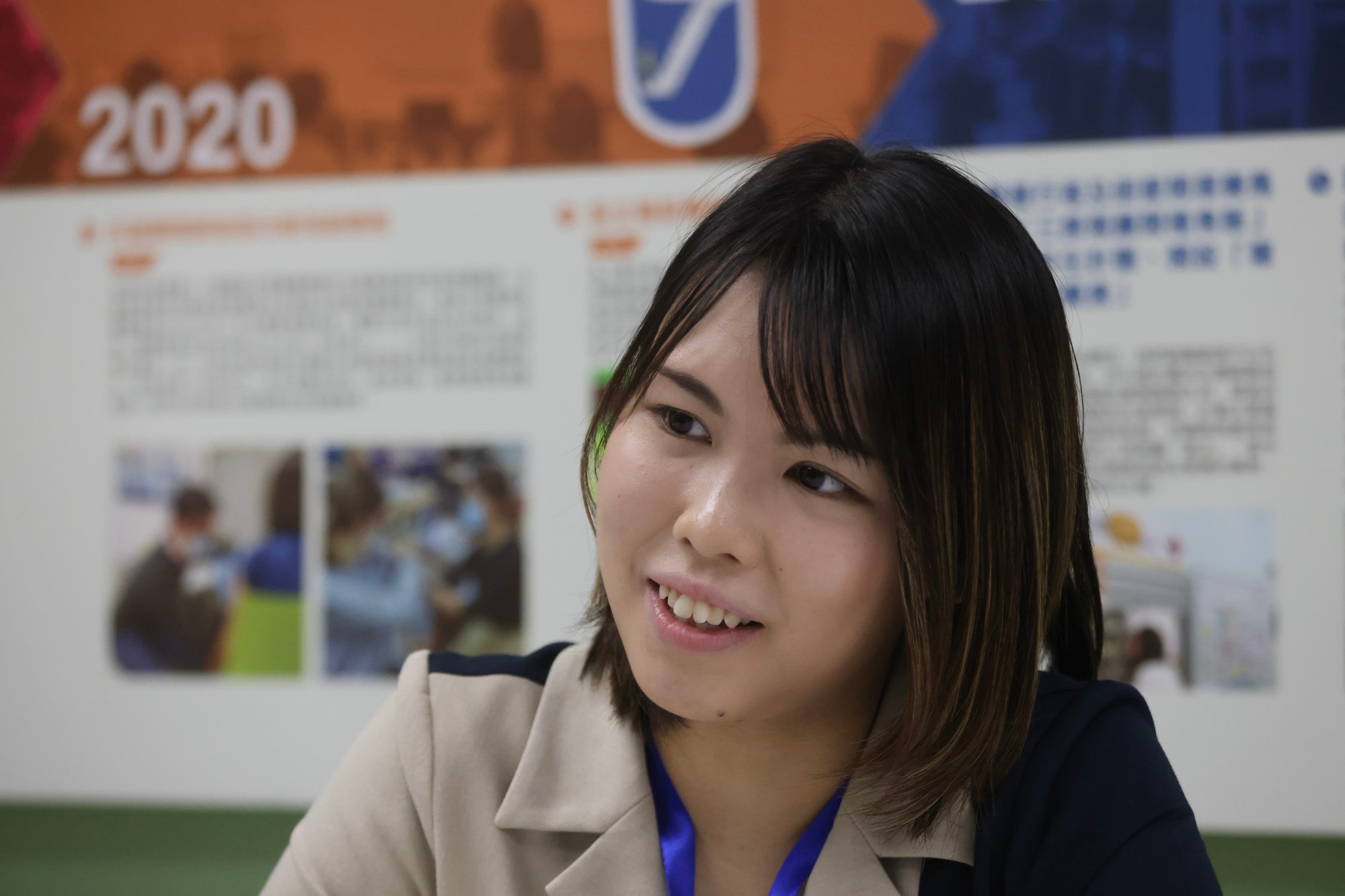
Pharmacist Joey Wong informed the Post about a recent incident involving the spouse of an older individual with dementia, who struggled with swallowing issues. Since the patient needed to take around twelve medications daily, his wife would often crush these tablets or open up the capsules herself, as mentioned by Wong.
"We discovered that these two medications cannot be used with this technique because it might influence the administration process or lead to adverse reactions," she explained, noting that it resulted in ulcers and burns in the patient’s esophagus.
Therefore, we composed a referral letter for the physician detailing the circumstances and proposing an adjustment in medication.
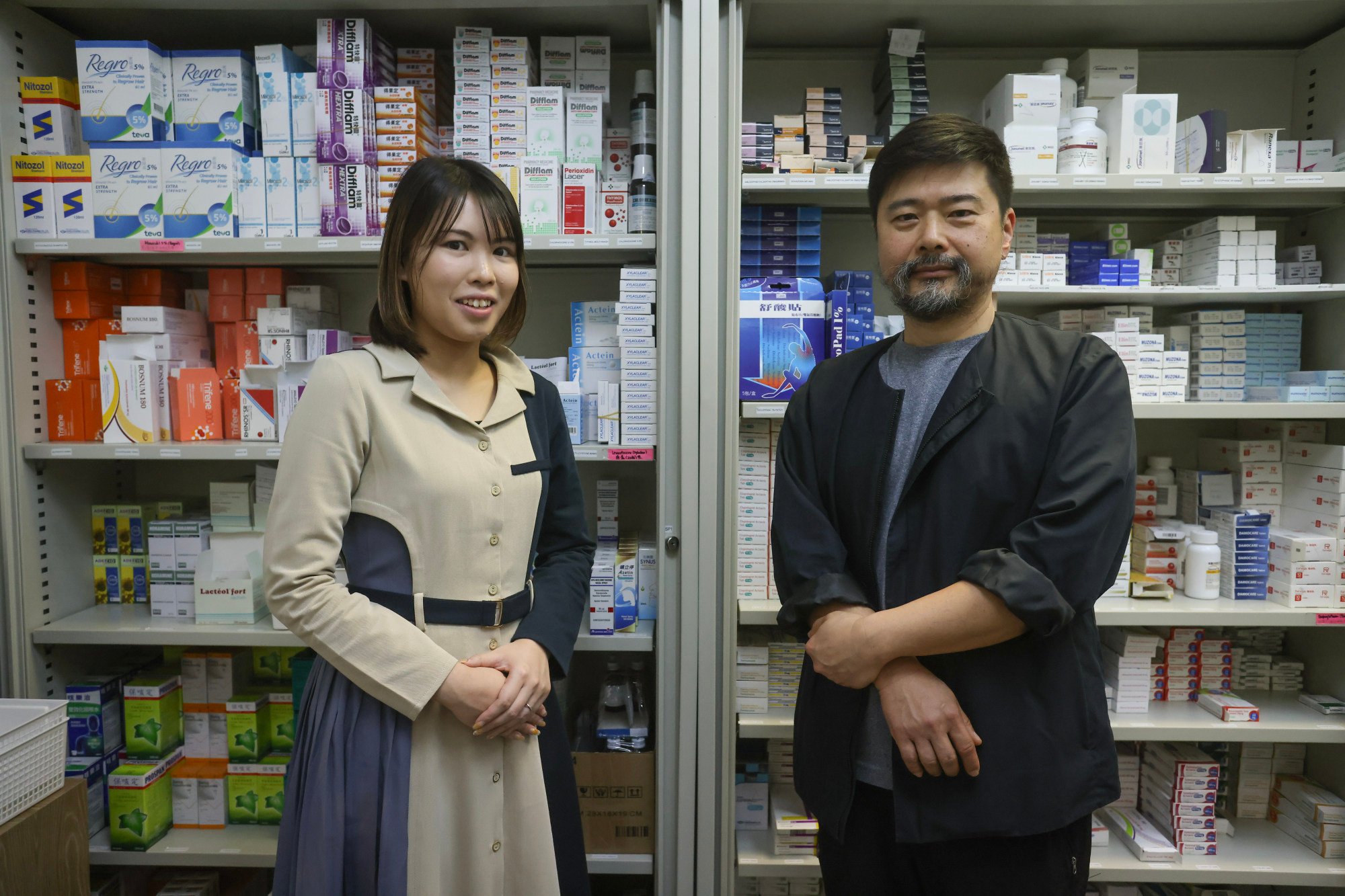
Wong, an employee at the Health in Action Community Pharmacy, mentioned that the staff frequently engaged in thorough discussions with senior citizens to determine if they were using their medications appropriately or if the drugs remained appropriate for their needs.
Health in Action, an NGO focused on action for health, has run a community pharmacy in Kwai Chung since 2019.
Wong stated, “A significant number of older individuals continue to use medicines that are no longer necessary for them.” He also noted, “Some seniors might find it confusing to comprehend why certain drugs should be taken prior to eating or what exactly constitutes taking something on an 'empty stomach.'”
Cases of duplicated medications also occurred as patients had visited both public and private doctors for the same condition, she added.
She mentioned that the organization offered health guidance via their helpline and arranged various initiatives such as community engagement events, educational programs, and wellness checks.
Wong mentioned that pharmacists can merely view data from the government’s electronic health record system, known as eHealth. However, they might face challenges when trying to reach physicians to talk about a patient’s condition since these records frequently lack completeness.
She recommended that the government create a system allowing community pharmacists and doctors to interact and view patient profiles as well as medication histories.
Dr. Fan Ning, the founder of Health in Action, stated that the public healthcare system is experiencing congestion, with approximately 60 percent of individuals in emergency departments categorized as having non-critical conditions.
He mentioned that one factor behind this was the lack of awareness among the public about where to address minor issues like high blood pressure, persistent pain, and acne, whereas private clinics came with hefty costs.
He mentioned that local pharmacies have the potential to assist with minor health issues by offering both medical guidance and lifestyle recommendations, along with supplying essential drugs.
"We will explain to them that even if you are not a medical professional, you can still manage your own health through education. If you cannot handle it, then you can seek professional help," he said.
We offer an additional choice for everyone and aim to encourage people to explore innovative approaches for managing their health. This will progressively harmonize with the main primary care initiatives of the government, helping us ultimately tackle the present healthcare emergency.
Important role in reform
During last year’s policy speech, Chief Executive John Lee Ka-chiu announced that officials would carry out a thorough assessment of the goals and roles of Hong Kong’s healthcare system. The aim was to push forward with reforms and strive to make Hong Kong a global center for health and medical advancements.
Last week, health officials unveiled an overhaul of the public healthcare subsidy system, which entails increasing emergency room charges from HK$180 to HK$400, starting January 1st.
These modifications, which are integral to the healthcare reforms, seek to minimize the misuse and overconsumption of publicly funded medical services.
Patients' rights advocate Tim Pang Hung-cheong of the Society for Community Organisation said the community pharmacy programme would play an important role in the reforms, and could work hand in hand with the fees revamp.
He stated that with emergency room costs exceeding twice their previous amount, local pharmacies offer another option for treatments involving basic drugs.
A portion of the demand for services at emergency rooms could be redirected to community pharmacies.
He mentioned that if the patients were discovered to have more severe conditions, pharmacists might recommend them to seek assistance from physicians.
Cutting waste
As part of the overhaul, patients visiting general outpatient clinics will be charged an additional HK$5 for a month’s supply of medication. Those who attend specialist outpatient clinics will see their cost increase to HK$20 for a one-month supply of drugs, compared to the previous charge of HK$15 for a four-month period.
Initially, health authorities mentioned that community pharmacies would obtain frequently used drugs for long-term or sporadic conditions via centralized procurement managed by the Hospital Authority. These pharmacies would then offer medication dispensing services. However, to be eligible, they must employ a licensed pharmacist with specific training in primary care.
Professor Ian Wong Chi-kei, who leads the Department of Pharmacology and Pharmacy at HKU, mentioned that in the UK, community pharmacists also provide medications for public hospitals, with patients picking up their prescriptions monthly.
"One advantage is that you won’t need to keep a substantial quantity of medications at your house... Given how damp Hong Kong can get, storing six months’ worth of drugs at home might pose problems," explained Wong, who additionally serves on the government’s Primary Healthcare Committee.
A further advantage is that it minimizes waste. Should you need to change medications and still have supplies left from six months' worth at home, those extra doses would end up being discarded.
Wong mentioned that pharmacists not only addressed queries but also monitored whether patients had adhered to their medication regimen and experienced any adverse reactions.
He stated that numerous patients might have discontinued their medication because of side effects or a lack of comprehension regarding their purpose.
Hospitals frequently see crowded pharmacy areas with extensive waiting lines, which leaves pharmacists little time for conversations with patients.
Yiu-wah, who serves as the president of the Society of Hospital Pharmacists of Hong Kong, mentioned that it was anticipated patients would be assigned to a particular pharmacy. This arrangement aimed to foster a lasting connection with that pharmacy, allowing them to consistently collect their medications from a set place.
He mentioned that in times of pandemics, the administration might provide masks or medication through specific pharmacies for enrolled inhabitants.
When community pharmacists identified discrepancies in patients’ medication usage, they were supposed to inform the hospital pharmacists, who would subsequently notify the attending physician.
The next steps
It was anticipated that the government would solicit bids from participating pharmacies for the program prior to 2026, as stated.
He expressed his belief that entities managing current community pharmacies would likely show interest in bidding for contracts and have the capability to meet the government’s criteria.
He stated that we do not anticipate having four to five community pharmacies established simultaneously in every district. Instead, the program might initially launch a few pharmacies across two to three districts.
Prescriptions issued by the Hospital Authority might include coverage for certain commonly used medications initially.
At this point, only a handful of privately-owned pharmacies have expressed interest, since upgrading their facilities may require additional time, he mentioned.
According to the statement, the present number of pharmacists would insufficiently cover the requirement for four to five community pharmacies per district; however, the shortage could potentially be addressed within two years.
In 2024, The Hong Kong Jockey Club Charities Trust initiated a program backed by over HK$415 million in funding and established eight community pharmacies throughout Hong Kong. Among its collaborators was HKU.
Wong from HKU mentioned that they had set up standards, guidelines, and procedures for the pharmacies, which could serve as a reference for the government.
He mentioned, for instance, during medication administration, what are the procedures involved, which documents should be utilized, and how can these records be made accessible to governmental bodies.
He mentioned that another crucial aspect would involve the ability of pharmacies' computer systems to connect with the eHealth platform.
He mentioned that HKU has assisted community pharmacies in developing a system that enables them to access and obtain data from eHealth.
Wong emphasized the importance of having a dedicated area where patients can confidentially share their personal information with pharmacists.
He mentioned that he anticipated the pharmacies would function with a co-payment model to maintain the healthcare system's financial viability.
Wong stated that for a pharmacy to submit a tender, it must include a pharmacist listed under a primary healthcare subdirectory.
To access the directory, pharmacists must complete a primary healthcare course, offered exclusively by HKU at present. However, Wong anticipates that other educational bodies will introduce comparable programs in the near future.
Simpler referrals coming soon?
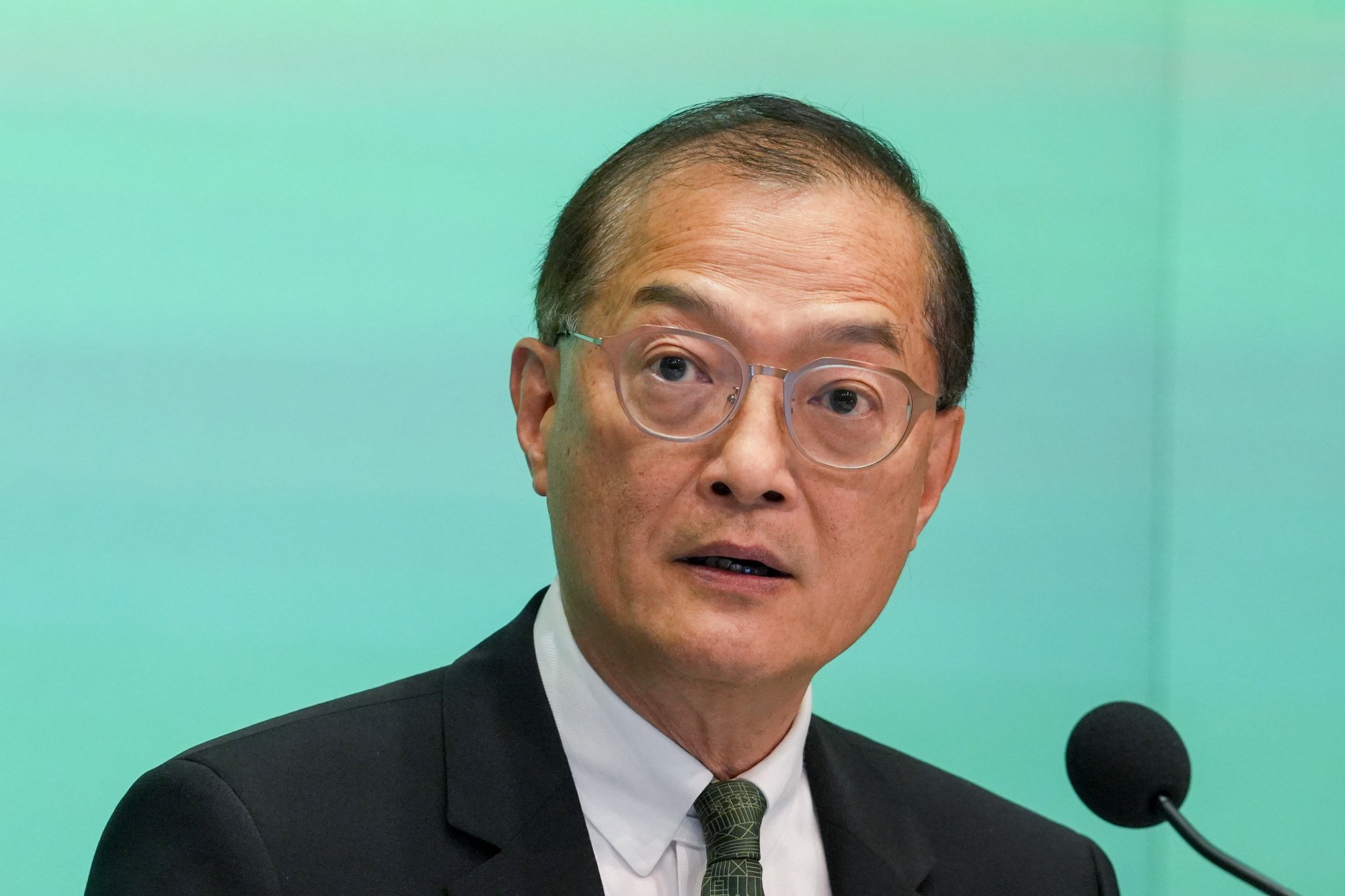
When the Primary Healthcare Blueprint was published in 2022, Secretary for Health Lo Chung-mau said under the ageing population and the rising healthcare demand, Hong Kong had to introduce "systemic reform of the healthcare system to shift the focus of the present system from treatment to disease prevention".
Primary healthcare represents the initial entry point where individuals and families engage with the healthcare system.
Starting from 2019, the administration established District Health Centers (DHCs), also referred to as temporary 'District Health Center Expresses,' across all 18 districts. These centers offer services such as health promotion, evaluation, ongoing care for chronic illnesses, and community-based rehabilitation. By the conclusion of 2024, these initiatives had attracted nearly 350,000 participants.
The services are delivered by nurses, physiotherapists, occupational therapists, dietitians, pharmacists, and social workers.
Pang mentioned that since the activities organized by these centers primarily focused on fundamental health principles, community pharmacies could offer assistance with regards to health or medication concerns.
He mentioned that if someone goes to a community pharmacy, they might also get referred to DHCs for participating in certain health-related activities.
Pang mentioned that certain DHCs were established adjacent to community pharmacies, leading to significant synergies.
Sometime in the future, we might explore ways to enhance the relationship between DHCs and community pharmacies, enabling mutual benefits for both.
By having public hospital patients pick up their medications at community pharmacies, this initiative could additionally support the government's push for primary health care among local communities, he noted.
Through the Chronic Disease Co-Care Pilot Program, individuals who are at least 45 years old and have no prior record of diabetes or high blood pressure can get financial assistance for screenings, appointments, and diagnostic tests provided by private healthcare providers under a cost-sharing arrangement. Recently, this initiative has been extended to include cholesterol level assessments. As of March 31st, over 115,500 people had enrolled in the program.
Pang mentioned that according to this plan, doctors could be restricted in terms of the time they spend discussing with patients what they should focus on post-medication or providing relevant dietary advice.
He mentioned that this kind of information could also be enhanced through community pharmacies.
For instance, the pharmacist might talk with the patient about how the medication could benefit them or provide recommendations to the physician if the treatment isn’t proving sufficiently effective.
Wong stated that within the primary healthcare system, professionals such as doctors, pharmacists, nurses, and optometrists should be able to make referrals to one another for patient care.
He stated that community pharmacies would develop significant capabilities to bolster the primary healthcare system, one that hasn’t fully utilized the potential of pharmacists.
For instance, the pharmacist might observe that the patient requires an eye exam with an optometrist. Alternatively, if the patient failed to follow the medication instructions properly, the pharmacist could provide a referral to a physician.
Other than for medical reasons, community pharmacists could also direct individuals in need, like elderly persons residing solo, towards social services.
When the network expands, residents won’t consider doctors or emergency services as their initial option for any health concerns," Pang stated. "This could aid in shifting perspectives.
The patient in his eighties mentioned that he currently visits a government clinic to address all of his health issues, following the recommendations from both the pharmacist and the social worker.
“It’s clearer and simpler nowadays,” he stated. “Returning to the mainland for medication was quite bothersome. Sometimes, riding the bus makes me queasy. But now everything is far more convenient, which has made me much happier.”
More Articles from SCMP
Who is Sofia Carson’s beauty industry sibling Paulina Char—the person she refers to as her 'best friend'? She has been previously connected romantically with Manolo, the son of Sofía Vergara, and remains very close to the actress known for Descendants.
The U.S. has flagged China and Mexico for their financial systems facilitating fentanyl smuggling.
The house bill limiting collaborations between U.S. and Chinese universities is advancing, with Democrats remaining quiet.
How Hong Kong’s Universities Are Molding the Arts’ Future
The article initially appeared on the South China Morning Post (www.scmp.com), which is the premier source for news coverage of China and Asia.
Copyright © 2025. South China Morning Post Publishers Ltd. All rights reserved.