Doctors Alarmed as Patients Risk Their Lives Following TikTok-Recommended "Clinic"

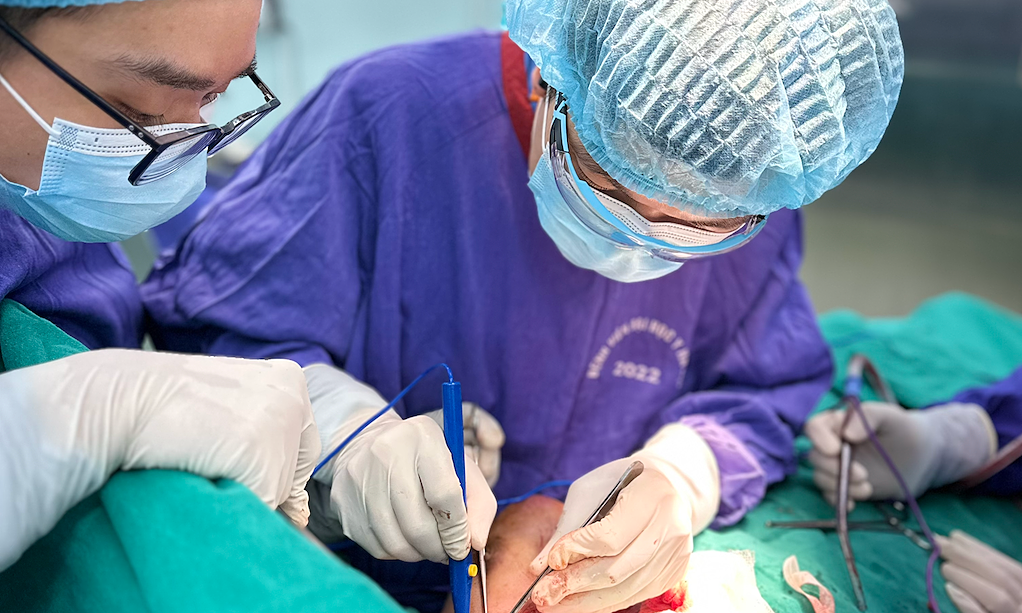
Two weeks following his intake of an online "cure" for liver cancer, a 37-year-old man was readmitted to the hospital in a critical condition.
In early 2025, after being diagnosed with liver cancer, the patient’s physician suggested combining conventional medical therapy with palliative care due to the grim outlook. Nevertheless, the family chose to follow an alternative treatment regimen promoted on social media rather than adhering to the professional recommendation.
The ad on TikTok claimed to offer "a medication capable of eliminating tumors and extending life" for a price of several dozen million Vietnamese đồng (VND 10 million equals approximately USD $388). After two weeks of following this so-called “therapy,” the individual was admitted to the hospital due to critical liver damage, and despite all attempts to rescue him, they were unsuccessful.
"It’s regrettable that this situation occurred as individuals risk their well-being based on unproven medical claims, leading to severe progression of the illness without any remaining treatment alternatives,” states Dr. Ngo Van Ty from the Hanoi Medical University Hospital's oncology center.
My heart sank upon witnessing the grief of the patient’s family members. However, this is an unavoidable consequence when the patient becomes a casualty of unfounded assurances.
|
|
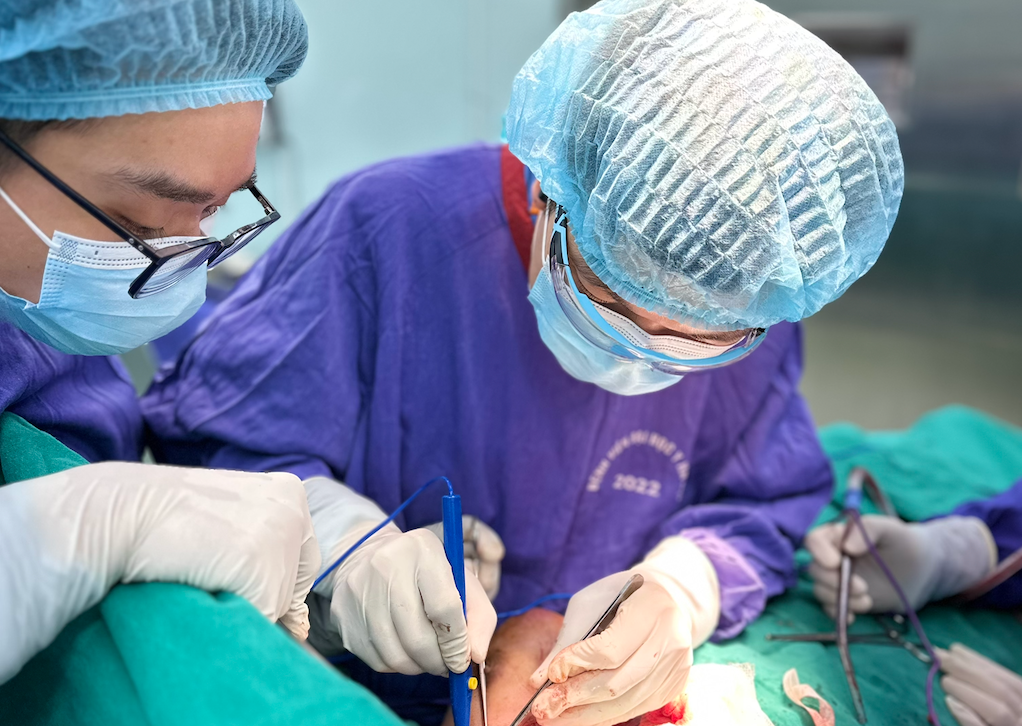
Dr. Ngo Van Ty (right) attends to a patient. The image is provided courtesy of the physician. |
Doctors say this is not a one-off occurrence. They've encountered many instances of cancer patients coming back to the hospital at advanced stages, usually because they were misled by false medical assertions on social platforms.
In an instance, a 40-year-old woman diagnosed with breast cancer discontinued her prescribed therapy and instead adhered to a protocol she found online, consuming papaya leaf juice and asparagus juice to "naturally shrink tumors."
A couple of months afterward, when her tumor burst and the agony became excruciating, she went back to the medical facility. However, by then, the only thing the physicians could offer was hospice care, assisting her in suffering through her last moments with reduced distress.
A 47-year-old man diagnosed with advanced stomach cancer declined the chemotherapy suggested by physicians at K Hospital. He opted instead for an alkaline water treatment promoted online, believing it could enhance his resilience, cleanse his system, and reduce the size of his tumor.
In just three weeks, he declined significantly and passed away.
Dr. Ha Hai Nam, who serves as the deputy head of the Department of Abdominal Surgery at K Hospital, states: “It ultimately comes down to the patient’s decision and belief. Convincing them becomes extremely challenging when they lack initial trust in their physician.”
Cancer represents an increasing healthcare concern in Vietnam, where over 300,000 individuals are presently battling the illness.
The case count has consistently risen: In 2020, there were 182,000 reported cases, out of which 122,690 individuals passed away.
The three most prevalent types of cancer—lung, liver, and stomach—are also noted for having some of the highest death rates.
Upon receiving a cancer diagnosis, numerous patients or their loved ones often seek out so-called "miracle" cures discovered online. This quest is driven by a mix of fear, hopelessness, and inaccurate information.
Fears regarding the adverse impacts of chemotherapy, worries that surgeries might cause tumors to spread, and an unquestioning belief in non-scientific assertions frequently steer patients away from treatments based on reliable medical evidence.
Doctors state that there is no reliable scientific evidence suggesting that herbal treatments, macrobiotic diets, or alkaline foods have the ability to cure cancer.
However, social media platforms like TikTok have turned into a breeding ground where unauthorized individuals can take advantage of patients' vulnerabilities.
Briefly put, these "online quackery experts" frequently sport white lab coats to seem trustworthy when endorsing untested practices such as fasting or eating alkaline-rich foods to eliminate tumors.
These videos frequently attract thousands of views and shares, luring patients away from conventional treatments towards placebo therapies that put their health at risk.
Although there are no official figures regarding the number of patients harmed by "treatments" promoted on TikTok, cancer centers note an alarming increase in such cases.
Ty remarks, "By the time most patients return seeking medical assistance, they have progressed beyond the effective treatment phase, often risking their very lives."
Healthcare providers highlight that contemporary medical advancements bring hope to numerous cancer patients around the globe.
According to data from the U.S. National Cancer Institute, cancer death rates have dropped by approximately 30% since 1991 due to improvements in therapy and earlier detection methods.
In Vietnam, early identification along with appropriate therapy have resulted in cure rates above 90% for thyroid, breast, prostate, and colorectal cancers.
"Cancer detected early can be completely cured," Ty stresses.
He encourages patients to stay levelheaded, believe in their physicians, and follow recognized treatment procedures.
He advises families to stay composed and seek guidance from healthcare providers to guarantee that their relatives get the highest quality of care possible.