Was "Net Zero" to Blame for Spain's Blackout Chaos? How Green Power May Have Exacerbated the Anarchy

Spain Green Energy Revolution faced criticism yesterday for exacerbating severe power outages, leaving millions in disarray and experiencing chaotic blackouts.
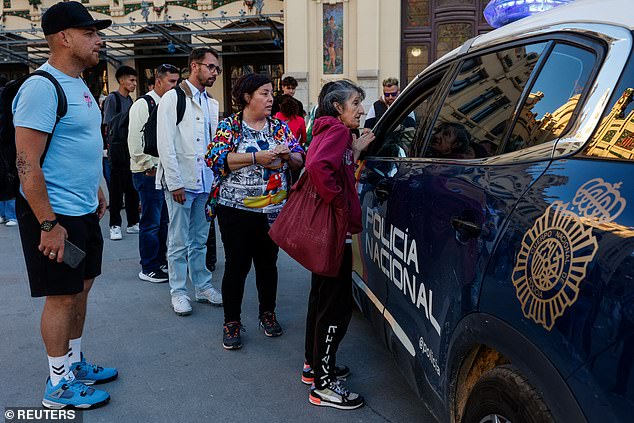
Last night, the nation announced a state of emergency and stated that it would be dispatching 30,000 law enforcement personnel as part of safety protocols to address the chaos resulting from the catastrophic system failure.
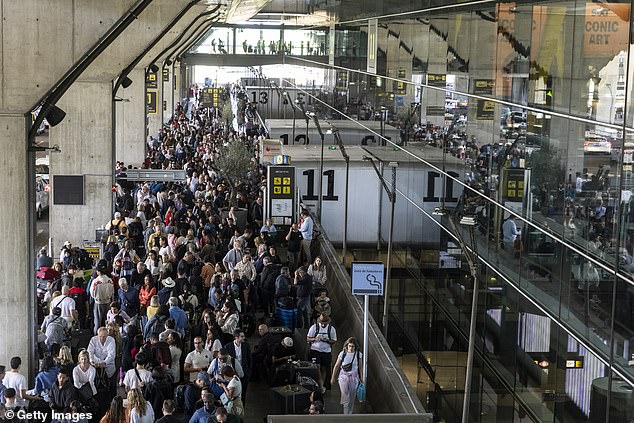
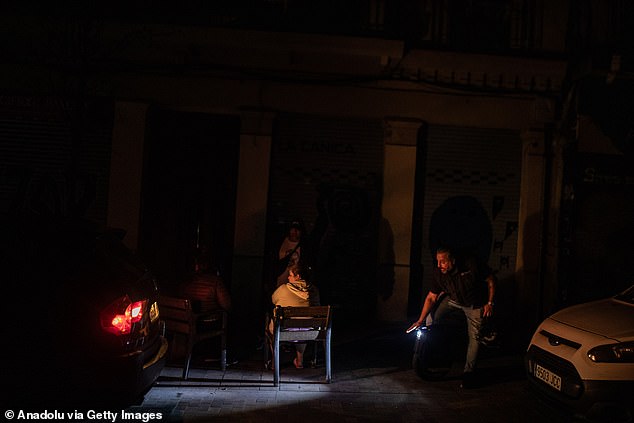
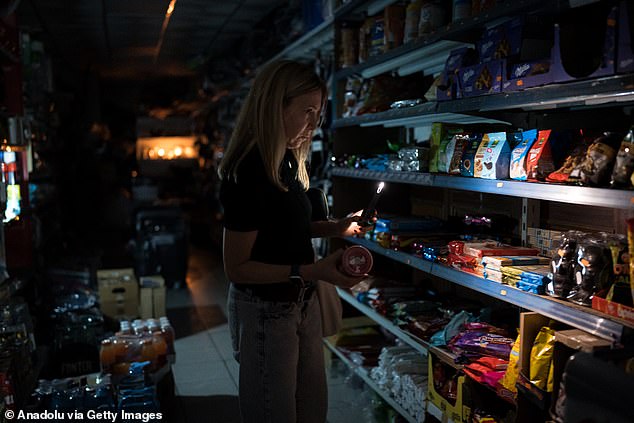
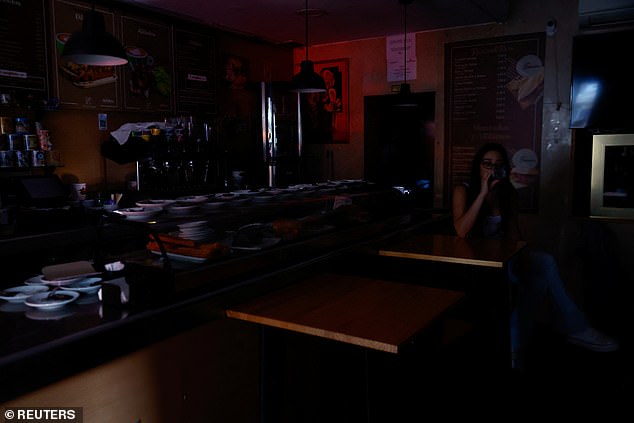
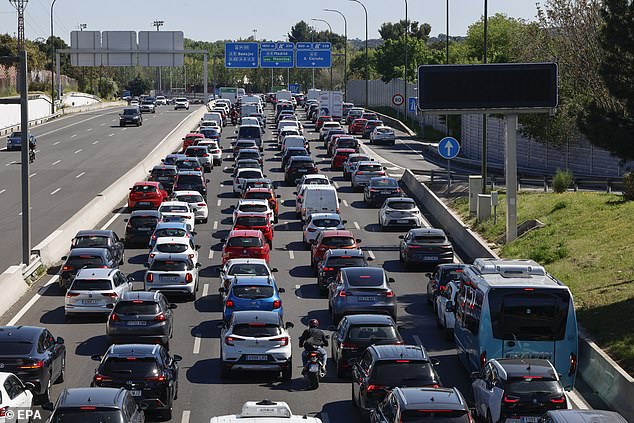
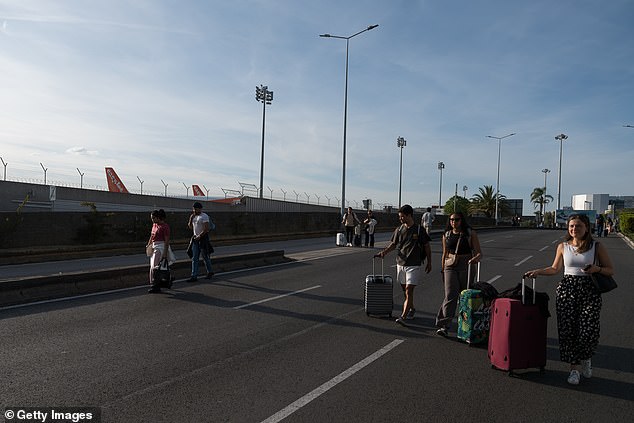
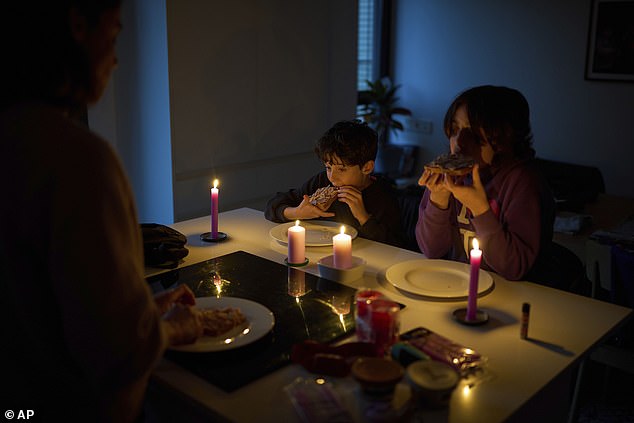
As power networks shut down across Spain and Portugal, dramatic videos showed mayhem with traffic lights switched off and shops and railway stations going dark. Panic-buyers emptied supermarket shelves, airports shut and trains ground to a halt.
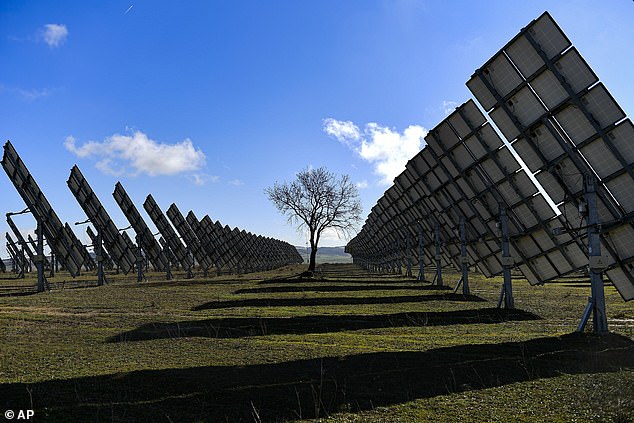
It was suggested that Spain's growing dependence on solar and wind energy worsened the power outages, as these renewable sources can render the electrical grid less stable.
Chaos erupted during lunchtime as solar power and wind collectively accounted for over 60 percent of electricity production.
The power grid operators cautioned that the outage might persist for multiple days. They attributed the issue to extreme fluctuations in temperatures within Spain, which led to significant instability in the electricity system—though this explanation sparked some skepticism since the mercury only reached around 22°C (71°F), making it feel comparatively cool compared to certain regions in the United Kingdom.
Spain boasts one of the highest percentages of renewable energy usage in Europe, averaging at around 56 percent.
And just days ago on April 16, Spain's power grid ran entirely on renewable energy, including wind, solar and hydro power for the first time.
Kathryn Porter, an independent energy consultant, stated: "As the presence of wind and solar power increases within the grid network, stability decreases, making fault management increasingly challenging."
I'd argue that the substantial presence of solar power within the system likely contributed to the extensive nature of this blackout and significantly amplified its severity.
Traditional generators, like coal and hydroelectric plants or gas turbines, are connected directly to the grid via heavy spinning machines that store inertia, which acts as a shock absorber, protecting against any supply disruption due to changes in electrical frequency.
Ms Porter added: 'When you are in a low-stability situation, it's much harder to control what happens. Electrical things don't like big changes in frequency and shut themselves down. They all start tripping off.
'Thus, your grid operator would have been working hard to respond to the fluctuations in frequency, yet they couldn’t keep up with the pace. This leads to a domino effect causing a widespread power grid collapse.'
Portugal's grid operator REN attributed the problem to 'drastic fluctuations in temperatures within Spain.' However, Steve Loftus, an analyst from the utility sector, commented, 'The weather conditions do not seem extraordinary enough to trigger such issues. Personally, I suspect some might be reluctant to acknowledge potential problems with renewable energy sources—if they exist—due to significant investments in their progress.' In both versions, we maintain the original message about extreme temperature changes being cited as a reason for power disruptions and skepticism regarding whether these factors alone could explain the situation. Additionally, we keep intact the notion suggesting possible reluctance among stakeholders to attribute difficulties to renewable technologies due to substantial financial commitments tied to them.
'During the power outage, the electricity grid had an abundance of solar energy.'
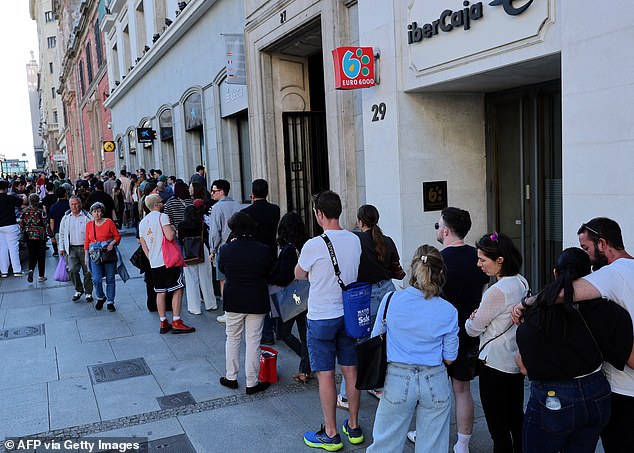
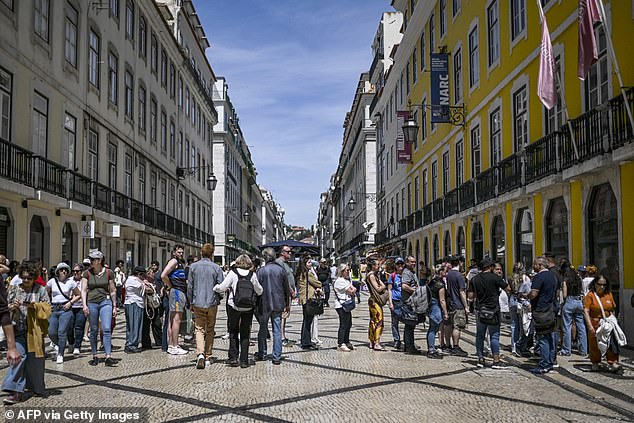
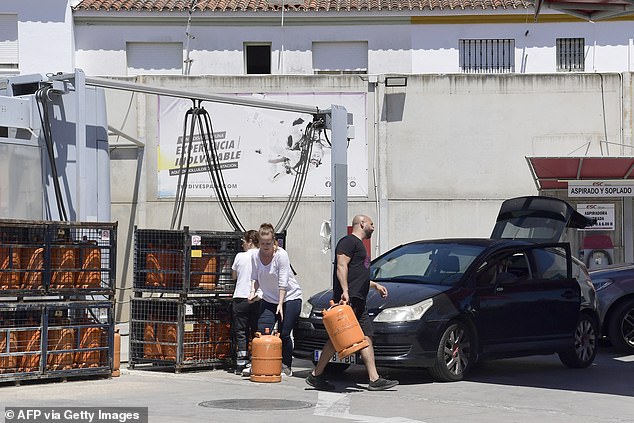
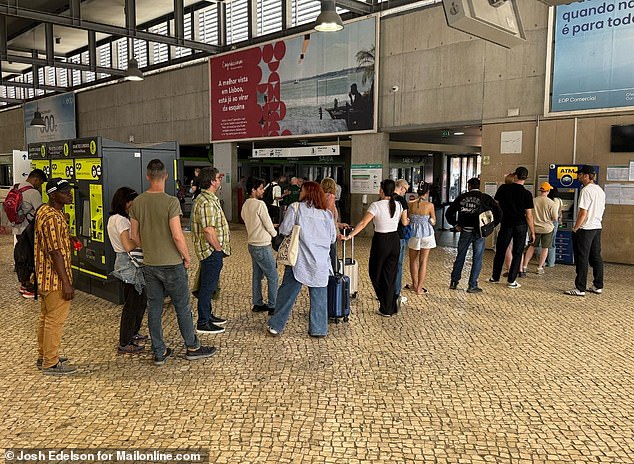
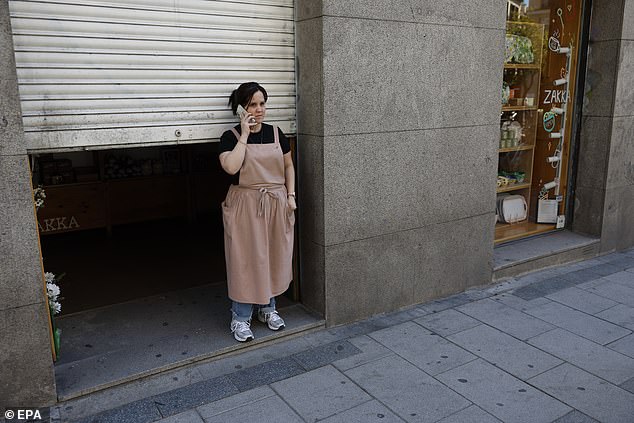
The Spanish parliament adjourned, leading to a halt in gameplay at the Madrid Open tennis championship. In response to the crisis, the city’s mayor advised everyone to remain indoors. However, extensive lines developed outside stores, ATMs, and gas stations as both locals and visitors scrambled to hoard supplies and withdraw money.
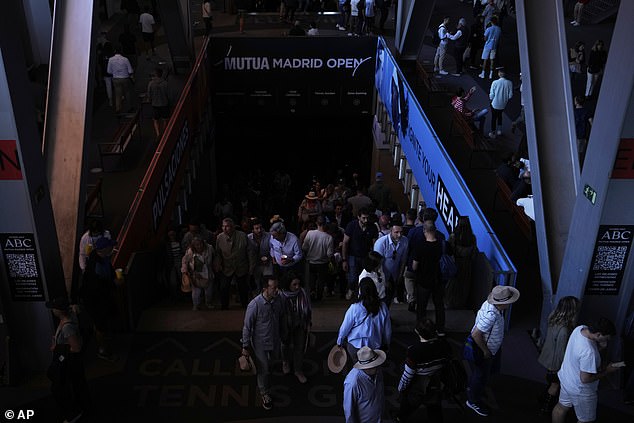
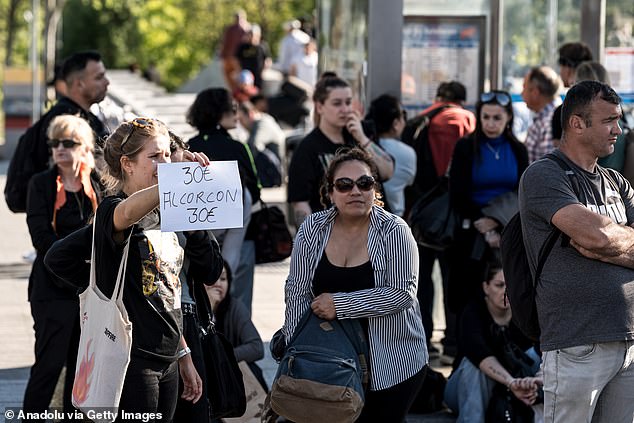
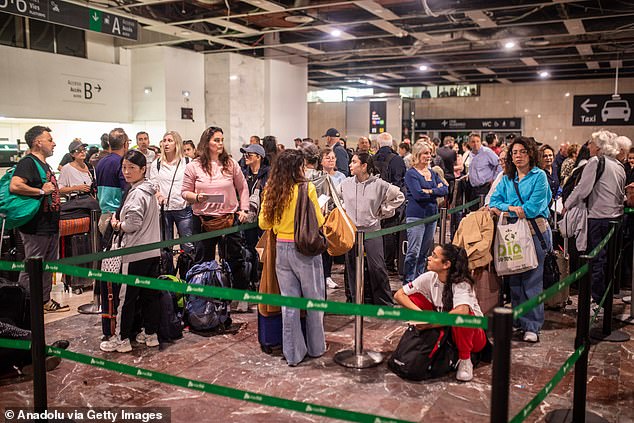
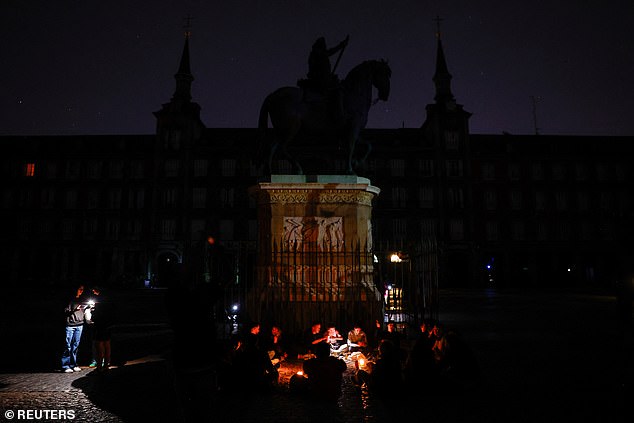
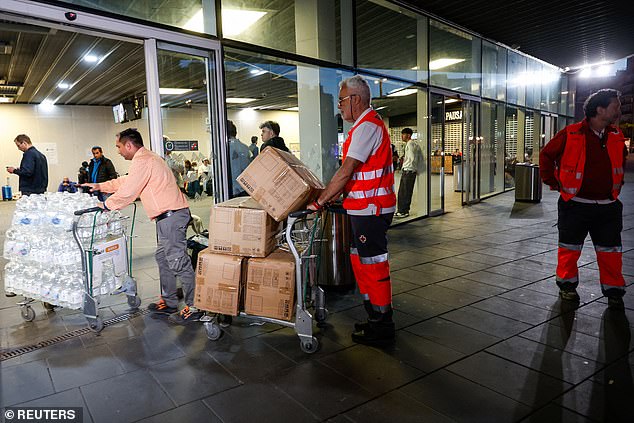
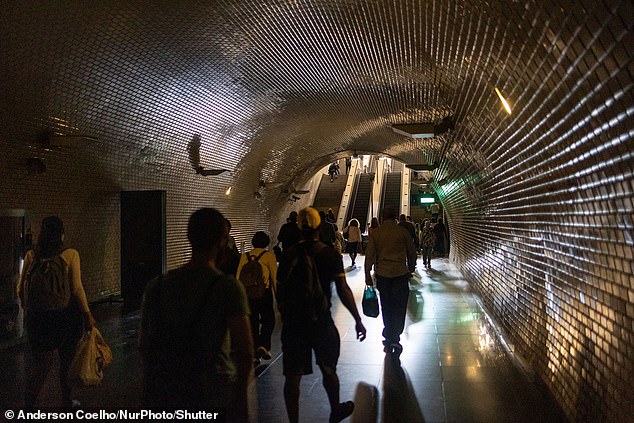
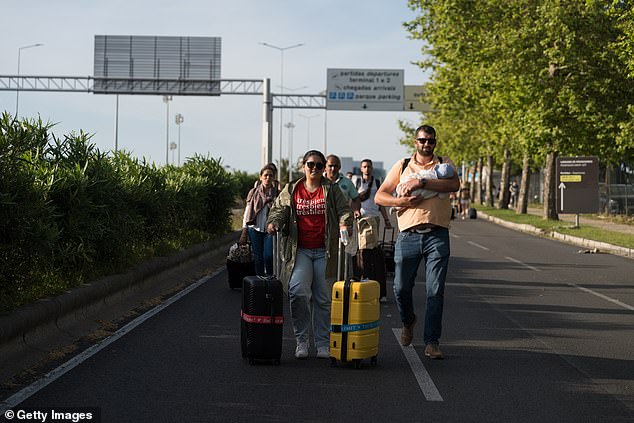
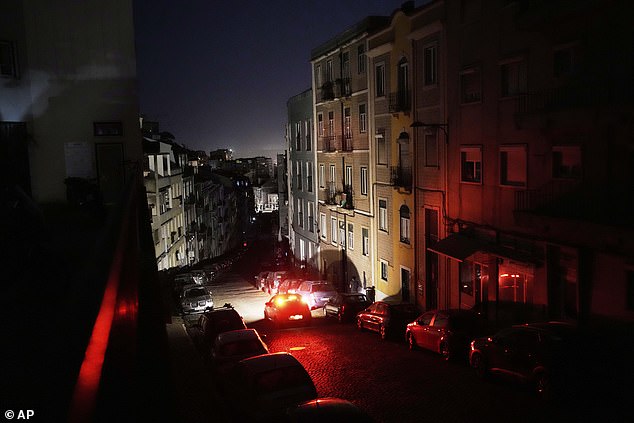
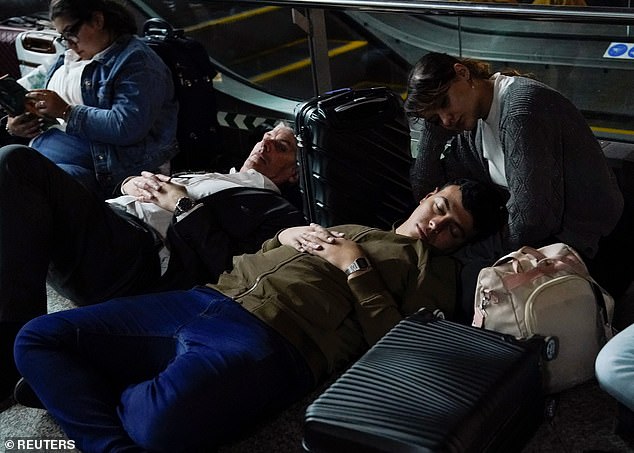
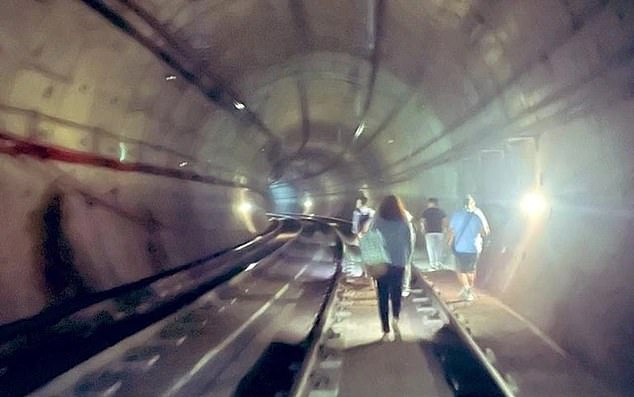
Trains and metro services were shut down in both countries, with passengers stuck in tunnels and on railway tracks.
The primary airport in Lisbon apparently closed briefly with flight operations halted.
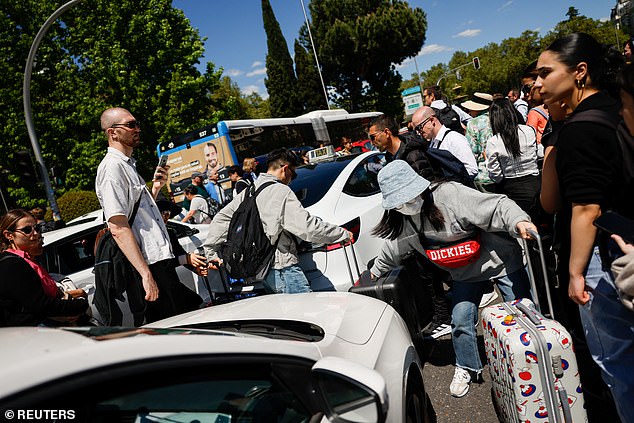
British vacationer Adrian Coles, returning to the UK following a weekend in Madrid, remarked: "There's a scramble for taxis and traffic has largely come to a halt."
Spain’s Prime Minister Pedro Sánchez stated that the reason for the power failure was under investigation; however, he mentioned that hydroelectric facilities had resumed operations, which ought to help restore electricity supplies throughout Spain shortly. In Portugal, the National Cybersecurity Center released a statement indicating that they found no evidence suggesting the disruption resulted from a cyberattack.
Eduardo Prieto, of Spanish power distributor Red Electrica, said it was unprecedented and called the event 'exceptional and extraordinary'.
Around 12:30 PM local time yesterday, power outages hit Spain, leaving millions without electricity. nuclear power The plants automatically shut down, however, diesel generators were started up to maintain their safety status, according to officials.
But its nuclear safety council has confirmed all seven of the country's nuclear reactors are safe.
When the power outage occurred, four of them ceased automatic operation; however, emergency generators promptly took over.
The remaining three reactors were inactive at that moment; however, emergency generators activated to maintain their safety status, the council further noted.
Even though approximately 60 percent of Spain now has electricity, Portugal's interim Prime Minister Luis Monteiro has stated that the nation anticipates full restoration of power within hours.
However, he noted that this process might be more drawn out compared to Spain, which depends on contributions from both France and Morocco instead of relying only on its internal resources like Portugal does.
Spain's Mr. Sanchez stated in a nationwide announcement: "At present, we lack definitive details regarding the cause of this power outage, hence I urge citizens, as we have during previous emergencies, to stay informed via official sources."
For now, there's no indication of any issues related to civilian safety. Let me emphasize, there are no signs of insecurity.
Read more